

Magnetic Block Challenges for Rainy Days: 30-Minute Building Ideas
NOVEMBER 21, 2025
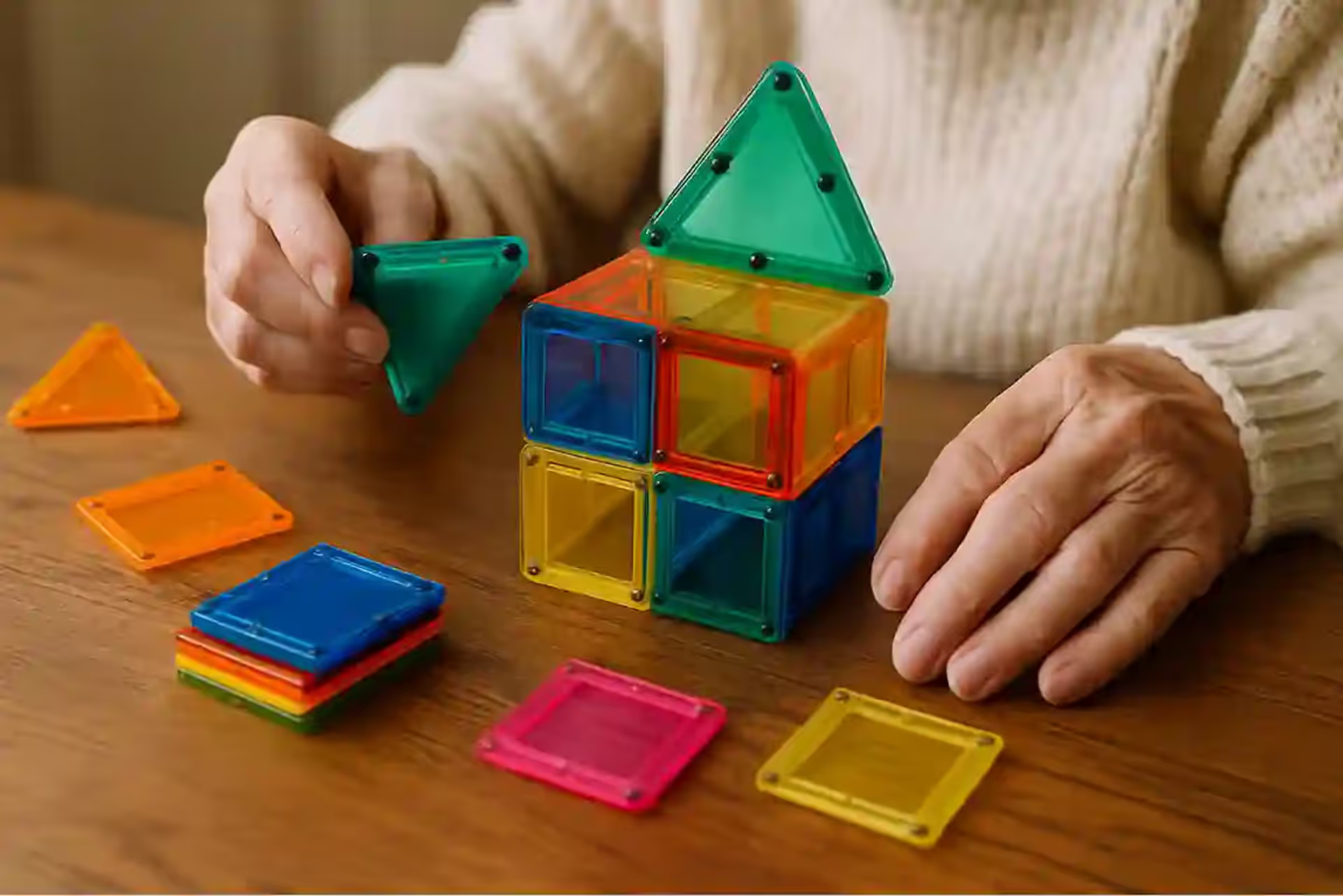
Your grandchild arrives with a bag of magnetic tiles, eyes bright with building plans. But as you reach for that first piece, arthritic fingers struggle with the smooth, flat surface. The thin edges slip away. The strong magnets fight your weakened grip. What should be joyful grandparent-grandchild bonding becomes a frustrating reminder of physical limitations. This scenario plays out in countless homes, unnecessarily limiting intergenerational play.
The good news: magnetic tile manufacturers are finally recognizing that grandparents represent a massive market of engaged caregivers who want to participate actively in play. New designs, adaptive tools, and clever workarounds make magnetic tile play accessible for those with arthritis, reduced grip strength, or limited dexterity. This guide reveals which sets work best, what modifications help most, and how to transform magnetic tile time from struggle to success.
Standard magnetic tiles present specific challenges for arthritic hands. The smooth, flat surfaces offer no natural grip points, requiring pincer grasps that stress inflamed joints. Separating strongly magnetized pieces demands a pulling force that can trigger pain flares. The thin profile means fingers must maintain precise pressure at uncomfortable angles. Even picking tiles up from flat surfaces becomes difficult when finger flexibility decreases.
Morning stiffness compounds these issues. Many grandparents find early play sessions nearly impossible, yet grandchildren often arrive bright and early, eager to build. The repetitive motions of building—reaching, grasping, placing—can quickly fatigue hands that already struggle with daily tasks. Cold tiles exacerbate joint stiffness, while the precise movements required for alignment stress fine motor control that arthritis compromises.
Beyond physical challenges, the frustration of limitation affects emotional well-being. Grandparents describe feeling disconnected from grandchildren when they can't participate in favorite activities. The psychological impact of saying "Grandma can't do that" repeatedly weighs heavily. Some avoid magnetic tile play entirely, missing precious bonding opportunities. Understanding these challenges helps identify solutions that restore capability and confidence.
Occupational therapists recommend limiting magnetic tile sessions to 15-20 minutes initially, gradually building endurance. Using compression gloves during play can provide joint support while maintaining dexterity.
PicassoTiles Large Set (PT102): These oversized tiles measure 50% larger than standard sets, providing more surface area for gripping. The increased size means fewer pieces needed for impressive structures, reducing repetitive motions. The slightly textured frame offers better grip than completely smooth alternatives. While heavier than standard tiles, the weight actually helps with placement stability—less precise positioning required.
Magna-Tiles Clear Colors with Tactile Elements: The original Magna-Tiles brand offers sets with raised edges and subtle texture variations that improve grip. Their "Structures" line includes pieces with built-in handles and grip points designed for accessibility. The magnetic strength is calibrated to be strong enough for stability but not so powerful that separation becomes painful. The clear plastic shows hand position through the tile, helping with placement accuracy.
Learn & Grow Magnetic Tiles Deluxe Set: Specifically marketed as "senior-friendly," these tiles feature rubberized edges that provide natural grip points. The magnets are strategically weakened by 20% compared to standard sets—still strong enough for building but easier to separate. Each tile has small indentations that serve as finger holds. The set includes a magnetic wand tool for picking up and placing tiles without direct handling.
Playmags Building Blocks with Grip Frames: These tiles feature a unique ridged frame design that prevents slipping. The edges are slightly thicker than standard tiles, allowing for easier edge gripping. The set includes specialty pieces with actual handles molded into the frame. The magnetic strength varies by piece size—larger pieces have stronger magnets to compensate for weight, while smaller pieces remain easy to manipulate.FeatureStandard TilesArthritis-FriendlyBenefitTile Size3 inches4.5-5 inchesEasier to graspEdge Thickness6mm10-12mmBetter grip leverageSurface TextureSmoothTextured/RidgedPrevents slippingMagnet StrengthStandardReduced 15-20%Easier separation
Create "tile sandwiches" by placing foam stickers on tile backs. The added thickness makes edges easier to grasp while the foam provides grip. Use bright colors to make it a design feature rather than an accommodation.
Store tiles in compartmented containers rather than bags. This eliminates the need to dig through piles, reducing hand strain. Craft organizers with large compartments work perfectly.
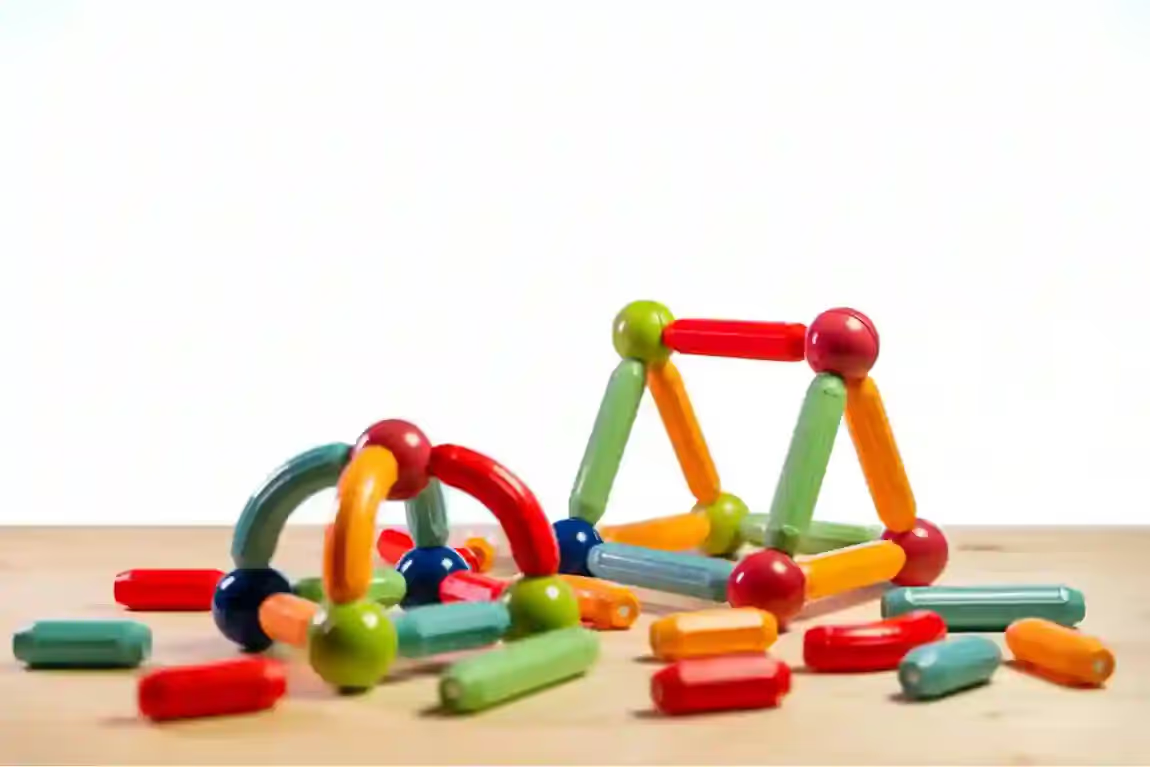
The Helper Method: Grandparents become "architects" who design while grandchildren handle the physical building. Use pointing, verbal directions, and demonstrations with already-built sections. This maintains involvement without repetitive stress. Children learn planning and following instructions while grandparents stay engaged without pain. Create "blueprint" drawings together that grandchildren then construct.
Large-Scale Floor Building: Work with bigger pieces on the floor where gravity assists placement. Grandparents can use reaching tools or simply direct from a comfortable chair. Building flat patterns eliminates the precision required for vertical structures. Create roads, mazes, or floor patterns that don't require careful balancing. This approach works especially well with younger grandchildren who prefer spreading out anyway.
Pre-Assembly Technique: Build basic components during low-pain periods and store them for grandchild visits. Having ready-made squares, triangles, and basic shapes allows quick assembly into complex structures without starting from scratch. This "modular" approach reduces active building time while maintaining impressive results. Grandchildren love having special "Grandma's pieces" to incorporate.
Rotation Strategy: Alternate between building and other activities. Build for 10 minutes, then switch to storytelling about the creation. Return to building after hands rest. This natural cycling prevents overuse while extending play sessions. Incorporate snack breaks, photo sessions, and "tours" of constructions to create natural rest periods without obvious stopping.
Simple hand exercises before play sessions can significantly improve comfort and capability. Gentle finger stretches, making fists and releasing slowly, and rotating wrists prepare joints for activity. Warm water soaks or paraffin baths before grandchildren arrive increase flexibility. These preparations become part of the anticipation ritual rather than medical necessity.
During play, incorporate movement breaks disguised as game elements. "Let's walk around our tower and see it from every angle!" provides standing and movement. "Can you get the blue tiles from the other room?" creates natural breaks. These intermissions prevent stiffness from prolonged positioning while maintaining play momentum.
Post-play recovery matters too. Gentle hand stretches after building, ice packs if needed, and anti-inflammatory protocols prevent next-day suffering. Keep play sessions positive by managing aftermath proactively. Some grandparents schedule magnetic tile play before regular medication times, ensuring relief follows naturally.
Consider keeping therapy putty near the building area. Grandchildren often enjoy playing with it too, making exercises feel like part of play rather than preparation.
Success comes from reframing limitations as different abilities. Instead of "Grandma can't pick up small pieces," try "Grandma is the designer who makes amazing plans." Children adapt remarkably well when differences are presented positively. They often become protective helpers, proud of assisting while learning empathy and patience.
Develop special roles that highlight strengths. Maybe Grandpa becomes the "Color Master" who decides patterns, or Grandma is the "Story Keeper" who creates tales about buildings. These roles provide meaningful participation without physical demands. Children remember these special designations, creating lasting positive associations with grandparent time.
Technology can bridge gaps too. Use tablets to photograph constructions, creating digital albums of building achievements. Video calls allow remote participation when in-person play isn't possible. Some grandparents use design apps to create blueprints grandchildren build during visits. These tech-assisted methods maintain connection even when physical interaction is limited.
Mild Arthritis: Standard Magna-Tiles or PicassoTiles work with simple modifications. Add grip tape to favorite pieces, use a lap desk for building, and take regular breaks. Focus on the 100-piece sets that include larger specialty pieces. The investment in quality tiles pays off in durability and consistent magnet strength that doesn't require excessive force.
Moderate Arthritis: Choose sets specifically designed with accessibility in mind. The Learn & Grow Deluxe Set or Playmags with grip frames provide necessary adaptations. Invest in pickup tools and separation aids. Consider oversized tile sets that reduce the number of pieces needed. Limit sessions to 20-30 minutes with planned breaks.
Severe Arthritis: Focus on the largest available tiles with the weakest acceptable magnets. Use all available adaptive tools—pickup wands, separation tools, elevated surfaces. Consider alternative magnetic toys like Magformers, which have built-in frames that are easier to grasp. Embrace the architect role fully, directing construction rather than hands-on building.
Before purchasing, check return policies. Some companies offer satisfaction guarantees specifically for accessibility concerns, allowing exchanges if sets prove too difficult to manage.
Different forms of arthritis present unique challenges when handling magnetic tiles. Osteoarthritis, the most common type affecting grandparents, primarily causes joint pain and stiffness from cartilage breakdown. This condition often worsens in cold weather and after periods of inactivity, making warm-up exercises especially important before play sessions. The bone spurs that sometimes develop with osteoarthritis can make pincer grips particularly painful, necessitating larger tiles with thicker edges that accommodate whole-hand grasping instead.
Rheumatoid arthritis creates different obstacles through inflammatory attacks on joint linings. This autoimmune condition often causes symmetrical symptoms, meaning both hands experience similar limitations. Morning stiffness lasts longer with rheumatoid arthritis, sometimes persisting for hours after waking. Grandparents with this condition benefit most from afternoon or evening play sessions when joints have loosened. The unpredictable flare-ups characteristic of rheumatoid arthritis require flexibility in planning, with backup activities available when hands prove too painful for tile manipulation.
Psoriatic arthritis combines joint inflammation with skin symptoms, potentially affecting nail health and finger sensitivity. The nail involvement can make it difficult to use fingernails for separating tiles or picking them from flat surfaces, increasing reliance on separation tools. Gouty arthritis, though less common in hand joints, can cause sudden, severe pain episodes that make any hand use impossible. Understanding your specific arthritis type helps you choose the most appropriate adaptations and anticipate which challenges you'll face during play sessions.
Working with a certified hand therapist can dramatically improve your ability to engage with magnetic tiles. These specialized occupational therapists understand the intricate biomechanics of hand function and can prescribe exercises specifically targeting the movements magnetic tile play requires. They might use the tiles themselves during therapy sessions, identifying exactly which motions cause difficulty and developing strengthening exercises to address those specific weaknesses.
Hand therapists can create custom orthotic devices that support weakened joints during play. These splints differ from the bulky braces many people imagine—modern designs provide targeted support while maintaining the dexterity needed for tile manipulation. Some therapists recommend wearing compression gloves during play sessions, which reduce swelling and provide proprioceptive feedback that improves grip control. The gentle compression can make holding tiles more comfortable while potentially extending play session duration.
Paraffin wax treatments, often administered by hand therapists, provide heat therapy that significantly reduces stiffness before play sessions. Some grandparents purchase home paraffin baths specifically for pre-play preparation, making the warm wax treatment part of their anticipation ritual before grandchildren arrive. The sustained warmth penetrates deep into joints, increasing flexibility and reducing pain for several hours afterward. Combined with gentle stretching exercises, paraffin treatments can transform impossibly stiff hands into ones capable of meaningful participation.
Strategic timing of arthritis medications can significantly impact your play experience. Many grandparents report that scheduling magnetic tile sessions during peak medication effectiveness maximizes comfort and capability. If you take pain medication every six hours, planning play for two hours after a dose ensures maximum relief during building activities. Some medications take thirty minutes to an hour to reach full effectiveness, so timing grandchild arrivals accordingly prevents trying to build while waiting for pain relief to kick in.
Over-the-counter pain relievers like NSAIDs can be taken prophylactically before known play sessions. However, this approach requires medical provider approval, as regular NSAID use carries risks that must be weighed against benefits. Some grandparents find that topical arthritis creams applied to hands before play provide sufficient relief without systemic medication side effects. These creams work best when applied fifteen to twenty minutes before beginning play, allowing the active ingredients to penetrate skin and reach inflamed joints.
Ice application after particularly active play sessions prevents next-day pain from overuse. Keep a gel ice pack specifically for post-play hand icing, making it part of your routine. Some grandparents alternate between heat before play and ice afterward, using this contrast therapy approach recommended by many physical therapists for arthritis management. The key is finding what works for your specific arthritis type and severity, then maintaining consistency with the protocol that proves most effective for extending your comfortable play duration.
Weather and seasons significantly affect arthritis symptoms and consequently your ability to engage with magnetic tiles. Cold winter months typically worsen joint stiffness and pain, potentially requiring additional accommodations during holiday visits when family time peaks. Running a space heater in the play area helps maintain warmth that keeps joints more flexible. Some grandparents warm magnetic tiles briefly with a heating pad before play sessions, ensuring the cold plastic doesn't trigger increased stiffness upon contact.
Summer's warmth often provides natural symptom relief, making this season ideal for longer or more frequent play sessions. However, humid conditions can increase swelling in some arthritis types, requiring monitoring and adjustment. Spring and fall moderate temperatures offer ideal conditions for comfortable play, though seasonal changes can temporarily exacerbate symptoms as bodies adjust to new conditions. Tracking which seasons prove most challenging for your specific arthritis helps you plan expectations and prepare appropriate accommodations.
Indoor climate control matters year-round. Maintaining consistent temperatures between 68-72 degrees Fahrenheit provides optimal comfort for arthritic joints. Humidity levels between 30-50% prevent both the excessive dryness that can irritate joints and the high humidity that increases swelling. Some grandparents invest in room humidifiers or dehumidifiers specifically for play spaces, recognizing that environmental control contributes significantly to their comfort and capability during tile building sessions.
Many communities offer arthritis support groups where grandparents share adaptive strategies for various activities. These groups provide opportunities to discover which local stores stock arthritis-friendly toys, which therapists specialize in hand function, and which modifications work best in real-world applications. Some groups organize toy exchanges where members try different magnetic tile sets before purchasing, helping inform buying decisions through hands-on testing.
Online forums dedicated to grandparent caregiving often include discussions about accessible play options. These digital communities span geographical boundaries, connecting you with grandparents facing similar challenges worldwide. Members frequently share product recommendations, modification techniques, and creative accommodation strategies they've developed. The collective wisdom of experienced grandparents who've successfully navigated these challenges proves invaluable for those newly confronting arthritis-related play limitations.
Some occupational therapy clinics offer group sessions focused on adaptive strategies for grandparent activities. These sessions might include hands-on practice with various magnetic tile sets, professional guidance on optimal grip techniques, and peer learning opportunities. The investment in a few professional sessions can yield strategies that dramatically improve your long-term play experience, making the cost worthwhile for grandparents committed to maintaining active involvement with grandchildren.
Arthritis doesn't have to end magnetic tile play with grandchildren. The key lies in choosing appropriate sets, using available adaptations, and reimagining what participation looks like. Whether you're holding tiles or holding court as the master designer, meaningful engagement remains possible.
Start small with one arthritis-friendly set and basic adaptations. Build confidence with short sessions during your best times of day. Gradually expand as you discover what works for your specific needs. Remember that grandchildren value your presence and enthusiasm more than your building prowess.
The joy on a grandchild's face when showing you their magnetic tile creation doesn't depend on your ability to build alongside them. It comes from sharing their excitement, offering encouragement, and being present in their play world. With the right tools and techniques, arthritis becomes just another building challenge to solve together.
Beyond maintaining grandchild connections, continuing magnetic tile play provides significant cognitive benefits for grandparents dealing with arthritis. The spatial reasoning required for construction planning exercises mental faculties often underutilized in daily routines. Research demonstrates that hands-on creative activities help maintain cognitive function as we age, potentially reducing risks of cognitive decline. The problem-solving involved in working around physical limitations while achieving building goals creates particularly rich mental stimulation.
The bilateral hand coordination required for tile manipulation, even when modified for arthritis, stimulates both brain hemispheres simultaneously. This cross-hemisphere activation supports neuroplasticity and may help maintain cognitive reserve. Pattern recognition, color sorting, and structural planning all engage different cognitive domains, providing comprehensive mental exercise disguised as play. Grandparents who maintain creative, hands-on activities demonstrate better memory retention and executive function compared to those who become primarily sedentary.
Social cognition benefits emerge through the intergenerational interaction that magnetic tile play facilitates. Negotiating building plans with grandchildren, explaining design choices, and collaborative problem-solving all exercise social cognitive skills that isolation can erode. The emotional regulation required when projects don't work as planned, managing frustration constructively in front of young observers, and celebrating successes together all contribute to emotional intelligence maintenance that enhances overall quality of life beyond mere arthritis accommodation.
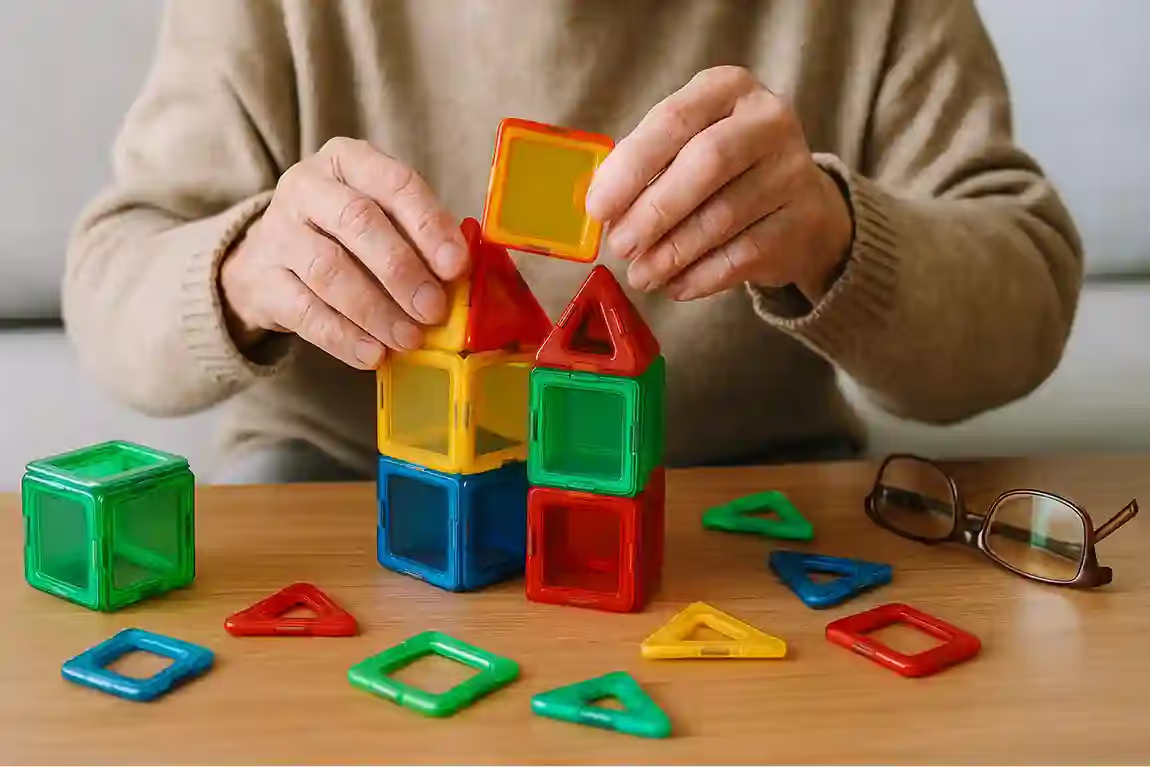
When multiple grandparents are involved in a child's life, coordinating arthritis accommodations ensures consistency across different care settings. If both maternal and paternal grandparents provide care, sharing information about which magnetic tile sets work best prevents duplicate purchases while ensuring each household has accessible options. Some families establish shared toy libraries where arthritis-friendly sets rotate between grandparent homes, maximizing investment while providing variety.
Communication between grandparents about successful modifications prevents redundant trial-and-error. If one grandparent discovers that foam grips on tile edges work excellently, sharing this insight saves others from experimenting with less effective solutions. Family group chats dedicated to grandchild activities can include sections on accessibility adaptations, creating knowledge bases that benefit all involved caregivers. This collaborative approach strengthens the grandparent network while improving outcomes for everyone.
Different grandparents may have different arthritis types or severity levels, requiring customized approaches for each caregiving setting. A grandparent with mild osteoarthritis might handle standard tiles with minimal modifications, while another with severe rheumatoid arthritis needs comprehensive adaptations. Children benefit from understanding that different locations have different play approaches, learning flexibility and adaptability while developing empathy for varying physical capabilities. This diversity in approaches demonstrates that there's no single "right" way to engage, validating each grandparent's unique contribution.
Not all families can afford premium arthritis-friendly magnetic tile sets, making DIY modifications essential for accessible play on limited budgets. Standard magnetic tile sets purchased on sale or secondhand can be modified effectively with inexpensive craft supplies. Self-adhesive foam sheets cut into strips and applied to tile edges provide grip at minimal cost. These foam additions peel off cleanly when no longer needed, preserving tile value for future resale or hand-me-down purposes.
Rubber bands wrapped around tile perimeters create improvised grip surfaces that cost virtually nothing. While less elegant than purpose-designed solutions, rubber bands function effectively and can be removed easily when children play independently. Some grandparents use silicone baking mats as building surfaces, providing non-slip foundations that prevent tiles from sliding during construction. These mats cost only a few dollars and serve double duty in kitchens between play sessions.
Repurposing household items for tile manipulation saves money while encouraging creative problem-solving. Silicone oven mitts provide excellent grip when handling multiple tiles simultaneously. Kitchen tongs can grasp tile edges for placement and separation, eliminating direct hand contact. Chopsticks or knitting needles work as improvised separation tools, sliding between tiles to break magnetic connections. These adaptations require no additional purchases, using items already present in most homes.
Creating a permanent magnetic tile play area optimized for arthritis accommodations eliminates repeated setup that stresses joints. Designating a corner of a living room, spare bedroom, or sunroom as the building zone means ergonomic furniture, proper lighting, and organized storage remain perpetually ready. This dedicated space signals to grandchildren that building is a valued activity worthy of permanent accommodation, while sparing grandparents the physical toll of constant rearrangement.
The ideal play space includes an adjustable-height table that accommodates both seated grandparent participation and standing child engagement. These tables, available through medical supply stores or online retailers, allow surface height customization matching individual comfort requirements. Adequate lighting reduces eye strain that can compound physical discomfort, with adjustable lamps providing targeted illumination. Comfortable seating with proper back support enables longer play sessions without fatigue that exacerbates arthritis symptoms.
Storage solutions integrated into the play space minimize the reaching, bending, and sorting that aggravate arthritis. Open shelving at waist height keeps magnetic tiles visible and accessible without requiring floor-level access or overhead reaching. Clear containers allow content identification without opening and searching through multiple boxes. Color-coded organization systems—all blue tiles in one container, red in another—enable quick selection without handling numerous pieces during searches.
Magnetic tile sessions provide natural opportunities to educate grandchildren about arthritis in age-appropriate ways. Young children understand concrete explanations like "Grandma's hands are stiff in the mornings, just like when your muscles feel tired after lots of running." This comparison to their own physical experiences builds empathy without scary medical details. Demonstrating how special tools help despite limitations shows that challenges can be overcome through creativity and adaptation.
Older grandchildren can understand more detailed explanations about joint inflammation, cartilage wear, and why certain movements cause pain. Involving them in solution-finding—"Can you think of a way we could build this that doesn't require me to hold heavy pieces?"—engages their problem-solving while demonstrating that limitations don't prevent participation. This collaborative approach to accommodation teaches valuable lessons about adaptability, empathy, and creative problem-solving that extend far beyond play sessions.
Children who understand their grandparents' arthritis often become amazingly considerate helpers without being asked. They intuitively hand tiles to grandparents rather than expecting picking up from surfaces. They suggest rest breaks naturally. They celebrate grandparent accomplishments enthusiastically, recognizing the extra effort involved. These learned behaviors serve them well throughout life as they encounter others with varying capabilities, building foundation for inclusive attitudes that society desperately needs.
Arthritis progression varies tremendously between individuals, making it impossible to predict exactly how your magnetic tile participation might change over coming years. Some grandparents find that with proper management, exercise, and medical treatment, their capabilities remain relatively stable or even improve. Others experience gradual decline requiring increasingly comprehensive accommodations. Approaching this uncertainty with flexibility rather than fear ensures continued participation regardless of how arthritis evolves.
Regularly reassessing which sets and modifications work best prevents continuing with approaches that no longer serve current capability levels. What worked excellently two years ago might now cause unnecessary struggle, while new products or techniques could restore comfort. Annual evaluation of your arthritis management strategy, including magnetic tile accommodations, ensures approaches evolve alongside condition changes. This proactive adjustment prevents the frustration of persisting with outdated methods that mounting limitations have rendered inadequate.
Maintaining participation even as physical contribution decreases preserves your role in grandchildren's lives despite capability changes. Transitioning gradually from hands-on building to advisory roles allows continuous involvement without sudden withdrawal that might confuse or disappoint grandchildren. They grow alongside these transitions, naturally adjusting expectations as they mature and develop greater understanding of physical limitations. The consistency of your presence matters more than the consistency of your physical participation, with emotional engagement trumping manual dexterity in long-term relationship building.
Quality arthritis-friendly magnetic tile sets typically cost more than standard options, with prices ranging from fifty to two hundred dollars for comprehensive sets with adaptive features. However, some medical savings accounts (HSA/FSA) may cover these purchases when prescribed by a physician as therapeutic equipment. Discuss with your healthcare provider whether a prescription for adaptive play equipment might qualify under your insurance plan's durable medical equipment benefits.
The adaptive tools that enhance accessibility—pickup wands, grip aids, ergonomic surfaces—represent additional expenses that accumulate quickly. Prioritize investments based on which adaptations provide maximum benefit for your specific limitations. Start with the most impactful modifications, such as a quality ergonomic pickup tool and an arthritis-friendly tile set, before adding supplementary accessories. This staged approach spreads costs over time while ensuring each purchase proves its value before additional investments.
Consider these expenses as long-term investments in grandparent-grandchild relationships rather than mere toy purchases. The memories created and bonds strengthened through accessible play provide returns that far exceed monetary costs. Some families establish grandparent play budgets, recognizing that enabling meaningful intergenerational interaction justifies dedicated financial resources. When family members ask for gift suggestions, directing them toward adaptive play equipment ensures presents serve practical purposes while demonstrating your commitment to active grandparenting.
The magnetic tile industry is finally recognizing that play spans generations. New arthritis-friendly designs aren't just accommodations—they're innovations that benefit everyone. Textured grips help toddlers too. Larger pieces mean faster building for impatient kids. Weaker magnets reduce frustration for beginners. These accessibility features improve play for all ages.
Your arthritis doesn't define your role as a grandparent. With the right magnetic tile set and simple modifications, you can remain an active participant in your grandchildren's creative world. Whether you're building, directing, designing, or storytelling, your involvement enriches their play experience in ways that transcend physical limitations.
Don't let arthritis steal these precious moments. Armed with this guide's recommendations, you can confidently choose tiles that work for your hands, implement strategies that minimize strain, and create magical building memories with your grandchildren. The towers you build together—whether with your hands or your hearts—stand as monuments to the power of adaptive play and unconditional love that defines the grandparent-grandchild bond across generations and despite physical challenges that creativity and determination overcome through thoughtful accommodation and unwavering commitment to connection that transcends physical capability and celebrates the enduring power of engaged, present grandparenting in children's developmental journey.
NOVEMBER 21, 2025
NOVEMBER 21, 2025
NOVEMBER 20, 2025
NOVEMBER 20, 2025
NOVEMBER 20, 2025