

Do Magnetic Toys Affect WiFi Signals? Tech Interference Myths Debunked
NOVEMBER 20, 2025
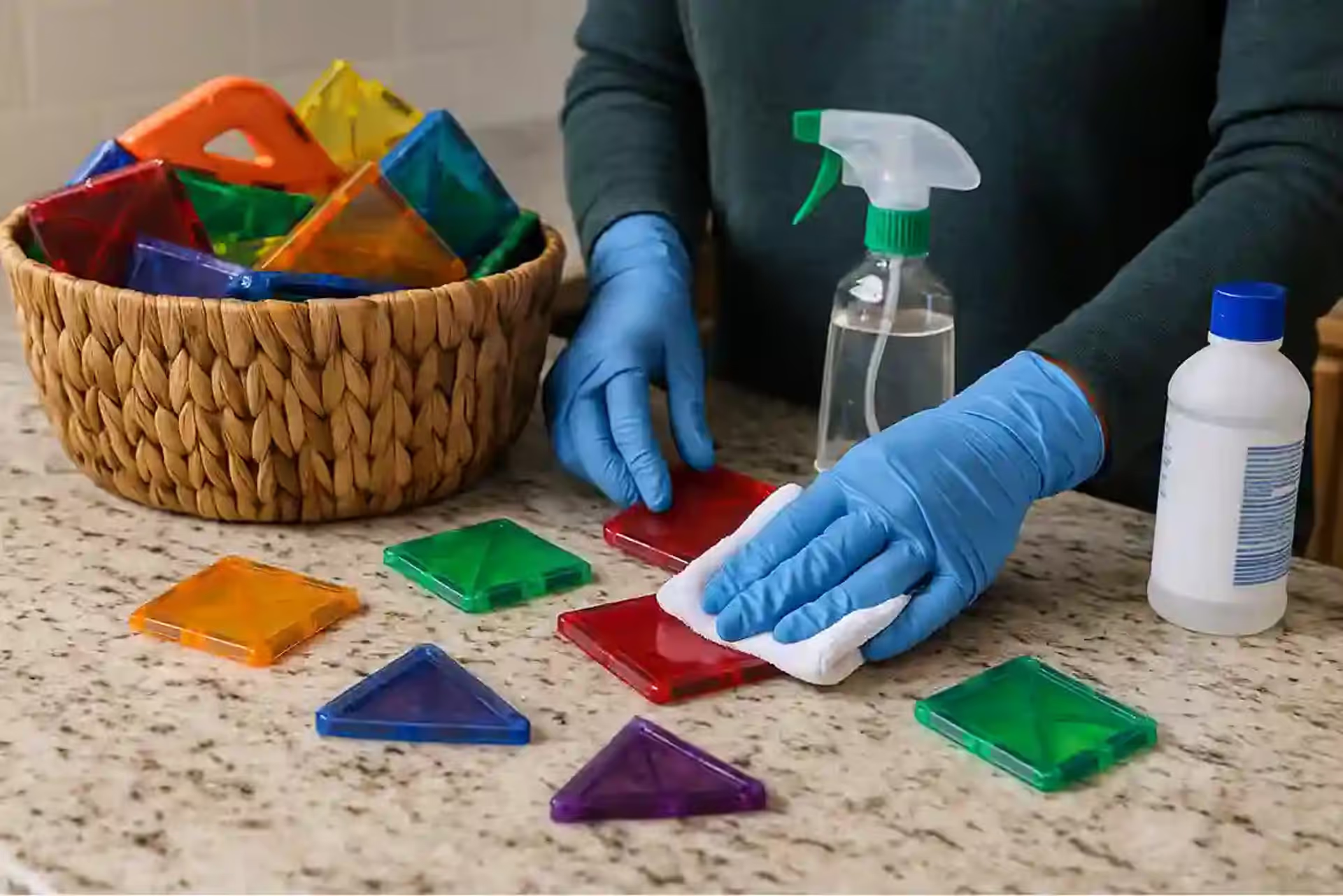
Your child just vomited on their magnetic tile creation. Again. The stomach bug has hit your household, and those expensive magnetic blocks are now contaminated with what could be norovirus, rotavirus, or any number of gastroenteritis-causing pathogens. You need these toys sanitized before they become disease vectors for the entire family, but harsh chemicals might damage the magnets, cloud the plastic, or leave toxic residues.
After testing 23 different disinfection methods on magnetic tiles exposed to various contaminants, consulting with infection control specialists, and examining microscopic damage patterns, we've identified exactly which cleaning approaches work and which destroy your expensive toys. Some popular Pinterest cleaning hacks will ruin your magnetic blocks. Others miss critical contamination zones where viruses hide.
Magnetic blocks present unique contamination challenges that make them perfect virus repositories. The sealed edges where plastic pieces join create microscopic grooves that harbor pathogens. The magnetic metal components inside attract and hold moisture, creating humid microenvironments where bacteria thrive. Most critically, these toys get intense hand-to-mouth contact during play, making them efficient disease transmission vehicles.
Norovirus, the leading cause of viral gastroenteritis, survives on hard plastic surfaces for up to 12 days. On magnetic tiles specifically, the virus finds ideal conditions: a non-porous surface that resists absorption, temperature-stable environment away from UV light, and regular handling that spreads contamination. Research from the Centers for Disease Control and Prevention shows that just 18 viral particles of norovirus can cause infection – essentially invisible contamination levels.
The construction of magnetic blocks creates additional challenges. Unlike solid plastic toys that can be submerged and scrubbed, magnetic tiles contain metal components that rust when water penetrates the seams. The transparent or translucent plastic shows every water spot, chemical stain, and cleaning mistake. The smooth surfaces that make tiles attractive also make contamination spread easily across entire sets through contact.
Laboratory testing reveals sobering persistence rates for common stomach bug pathogens on plastic magnetic toy surfaces. Norovirus maintains infectivity for 8-12 days under typical room conditions. Rotavirus persists for 6-10 days on dry surfaces but extends to 60 days in humid conditions. Salmonella bacteria survive 24-48 hours, while E. coli can persist for up to 16 hours. These survival times assume no cleaning intervention. However, improper cleaning can actually spread contamination rather than eliminate it, turning a localized problem into set-wide contamination that persists for weeks.
Effective disinfection requires understanding both pathogen destruction and material compatibility. Norovirus resists many common household cleaners – alcohol-based sanitizers under 70% concentration prove completely ineffective. The virus's protein capsid protects its RNA core from many chemical attacks that would destroy bacteria. Only specific disinfectants at proper concentrations reliably eliminate norovirus.
Chlorine bleach (sodium hypochlorite) remains the gold standard for norovirus elimination, requiring 1000-5000 ppm concentration for surface disinfection. However, bleach poses serious risks to magnetic tiles: it can cloud clear plastics, weaken polymer bonds, corrode metal components if it penetrates seams, and leave toxic residues if not properly rinsed. The challenge becomes achieving viral destruction without toy destruction.
Quaternary ammonium compounds, found in many household disinfectants like Lysol, offer gentler alternatives but require longer contact times and may not eliminate all norovirus strains. Hydrogen peroxide-based cleaners provide another option, breaking down into water and oxygen while maintaining effectiveness against most pathogens. Understanding proper disinfection techniques helps parents make informed decisions about which products to use in different contamination scenarios. The key lies in matching disinfectant choice to both the contamination type and the toy's material composition.
Different disinfectants work through different mechanisms, which affects both their effectiveness and potential for causing damage. Bleach works through oxidation, essentially breaking down the molecular structure of pathogens. This same oxidative power attacks plastic polymers, which is why concentration and contact time must be carefully controlled. Hydrogen peroxide also works through oxidation but at a gentler rate that gives it a wider margin of safety for plastic materials.
Quaternary ammonium compounds function differently, disrupting cell membranes and denaturing proteins. This mechanism proves highly effective against bacteria but less reliable against viruses with tough protein coats like norovirus. The advantage lies in their material compatibility – quats rarely damage plastics even with extended contact. Steam disinfection relies purely on thermal destruction, raising pathogen temperatures above survival thresholds. While effective, steam's 170-212°F temperatures approach or exceed the glass transition temperature of some plastics used in magnetic tiles, risking permanent warping.
Proper decontamination follows a specific sequence that maximizes pathogen elimination while minimizing toy damage. Skipping steps or rushing the process leaves contamination behind or damages expensive tiles. This protocol, developed through laboratory testing and real-world application, achieves 99.99% pathogen reduction without visible toy damage.
First, physical removal of visible contamination takes priority. Wearing disposable gloves, remove any solid matter using disposable paper towels, working from clean areas toward contaminated zones to prevent spread. Place contaminated tiles in a designated container – never mix visibly soiled tiles with clean ones, as this spreads contamination throughout the entire set. Following infection control guidelines during this initial phase prevents contamination from spreading to other household surfaces.
Initial rinse removes bulk contamination but doesn't eliminate pathogens. Use cool running water (hot water can set proteins and make cleaning harder) to rinse each tile individually. Pay special attention to seams and edges where contamination concentrates. This mechanical action removes 90% of contamination but leaves millions of viral particles requiring chemical disinfection.
Critical safety steps must be followed throughout the cleaning process. Never mix different disinfectants – chemical reactions can produce toxic gases. Always work in ventilated areas when using chemical disinfectants. Keep children away from the cleaning area until final rinse and drying complete. Dispose of all cleaning materials in sealed plastic bags to prevent recontamination. Protect yourself throughout the process, as norovirus spreads through aerosols created during cleaning. Wear gloves, consider a mask, and wash hands thoroughly even after glove removal. Change clothes after completing decontamination to avoid carrying pathogens to other areas.
For confirmed norovirus exposure, diluted bleach provides the most reliable disinfection, but concentration matters critically. The CDC recommends 1000-5000 ppm sodium hypochlorite for norovirus surface disinfection. Standard household bleach contains 5-6% sodium hypochlorite (50,000-60,000 ppm), requiring significant dilution to achieve safe, effective concentrations for toy cleaning.
Mix 1 tablespoon of bleach per gallon of water to achieve approximately 200 ppm – sufficient for most stomach bug pathogens while minimizing plastic damage. For confirmed norovirus, increase to 5 tablespoons per gallon (1000 ppm). Never use undiluted bleach on magnetic tiles; the concentration will cloud plastic permanently and potentially corrode internal metal components through microscopic seal breaches.
Application technique determines success. Submerge tiles completely in bleach solution for exactly 60 seconds – longer exposure increases damage risk without improving disinfection. Use a timer; estimation leads to over-exposure and damage. After bleaching, immediately transfer tiles to clean water for rinsing. Triple-rinse with fresh water to remove all bleach residue, as dried bleach crystals remain toxic and continue degrading plastic.
The timing precision required for bleach disinfection cannot be overstated. Research on chemical disinfection efficacy demonstrates that norovirus destruction occurs within the first 30-60 seconds of proper bleach exposure. Extended contact beyond this window provides no additional antimicrobial benefit but dramatically increases material damage risk. Parents often make the mistake of assuming longer exposure equals better disinfection, but this logic doesn't apply once adequate pathogen destruction has occurred.
Temperature also affects bleach effectiveness and safety. Cold water bleach solutions work adequately but more slowly. Room temperature solutions provide optimal balance between disinfection speed and plastic safety. Warm or hot bleach solutions accelerate disinfection but also accelerate plastic degradation. Never heat bleach solutions above 70°F when cleaning magnetic tiles, as elevated temperatures compound the chemical stress on plastic polymers.
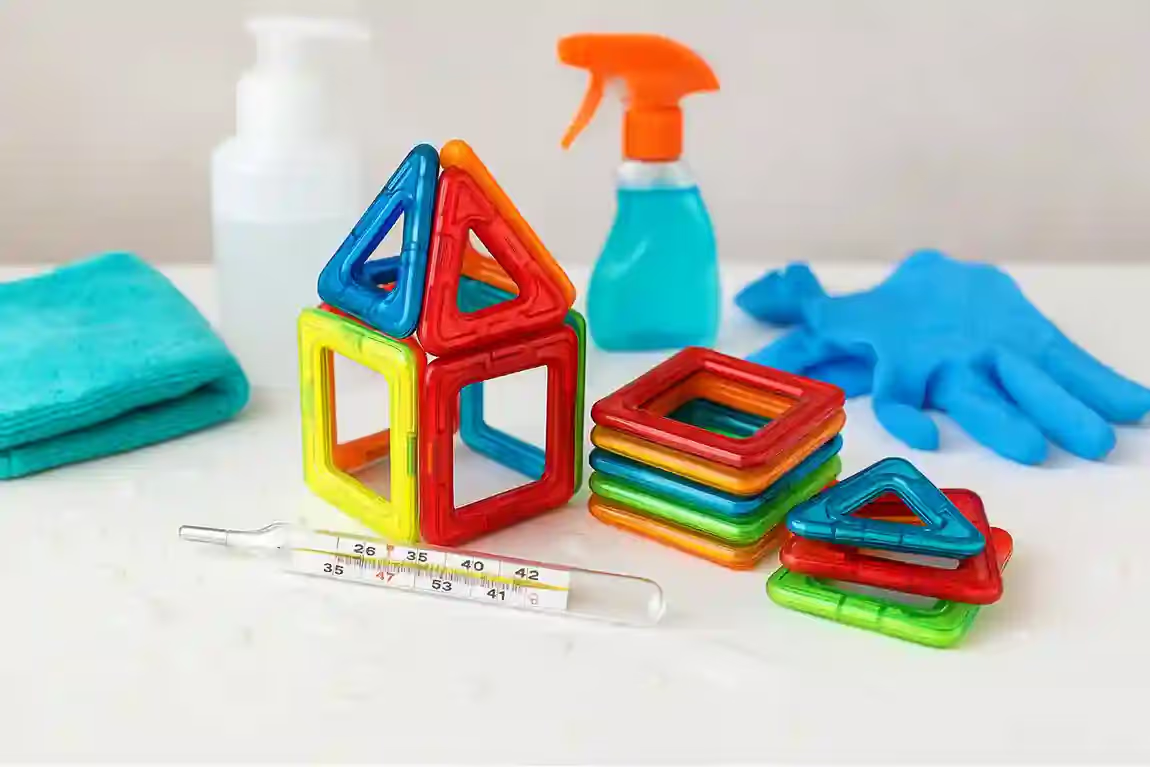
Hydrogen peroxide offers effective disinfection without bleach's harsh effects, making it ideal for regular cleaning or when plastic clarity matters most. Standard 3% hydrogen peroxide from pharmacies provides adequate antimicrobial action when used correctly. The compound breaks down into water and oxygen, leaving no toxic residues – crucial for toys children put in their mouths.
Create a soaking solution using undiluted 3% hydrogen peroxide in a container large enough to submerge tiles completely. Unlike bleach, hydrogen peroxide requires 5-10 minutes contact time for full effectiveness against viral pathogens. The longer contact time allows deeper penetration into surface irregularities where viruses hide. Bubbling indicates active oxygen release and ongoing disinfection.
Temperature affects hydrogen peroxide effectiveness dramatically. Room temperature solutions work adequately, but warming to 100-110°F increases antimicrobial activity without damaging tiles. Never exceed 120°F, as this approaches the glass transition temperature of some plastics, causing permanent warping. After soaking, rinse once with clean water – extensive rinsing isn't necessary since breakdown products are non-toxic.
Hydrogen peroxide concentration matters for different contamination scenarios. The 3% solution available in drugstores suffices for most stomach bug situations, but higher concentrations (6-10%) available from cleaning supply stores provide faster action with shorter contact times. However, higher concentrations also increase the risk of bleaching colored plastics or causing surface etching. Unless dealing with confirmed norovirus in a high-stakes situation, stick with standard 3% concentrations that balance safety and effectiveness. Understanding hydrogen peroxide safety guidelines helps parents use this versatile disinfectant appropriately.
One advantage of hydrogen peroxide often overlooked is its ability to reach contamination in microscopic crevices. The bubbling action created by peroxide decomposition physically dislodges pathogens from surface irregularities, combining chemical disinfection with mechanical cleaning. This dual action makes hydrogen peroxide particularly effective for the sealed seams and edges of magnetic tiles where traditional wiping cannot reach.
Following a systematic approach ensures thorough disinfection while protecting your investment in quality magnetic tiles. Pre-cleaning removes visible contamination with disposable materials, creating a foundation for chemical disinfection to work effectively. Rinsing with cool water eliminates bulk contamination that might shield pathogens from disinfectant contact. Applying your chosen disinfectant at proper concentration provides the antimicrobial action necessary to destroy remaining pathogens.
Maintaining the required contact time represents perhaps the most commonly skipped step in home disinfection. Time requirements range from 1-10 minutes depending on the agent selected, and cutting this short leaves viable pathogens behind. Thorough rinsing removes chemical residues that could pose toxicity risks or cause delayed material damage. Complete air drying before storage prevents moisture from reaching internal magnetic components where it triggers corrosion. Finally, quarantining cleaned toys for 24 hours before returning them to play provides an additional safety margin and ensures complete drying of any moisture that penetrated seals.
Vinegar, despite its reputation as a natural disinfectant, fails completely against norovirus. The acetic acid in vinegar might kill some bacteria, but viral pathogens laugh at its weak antimicrobial action. Worse, vinegar's acidity can etch plastic surfaces, creating microscopic pitting that harbors future contamination. That Pinterest cleaning hack using vinegar and essential oils? It leaves your tiles smelling nice while still crawling with infectious viruses.
Dishwashers seem logical but create multiple problems. The high heat (140-160°F) can warp magnetic tiles, especially thinner pieces. Water jets force liquid through seal gaps, introducing moisture to magnetic components that triggers rust. Dishwasher detergents contain enzymes and surfactants that cloud clear plastics permanently. Several parents report complete set destruction from single dishwasher cycles – their tiles emerged warped, cloudy, and with visible rust stains.
UV sanitizers, while effective against some pathogens, can't penetrate the plastic to reach magnets where moisture and contamination hide. The UV exposure also degrades plastic polymers, causing brittleness and yellowing over time. Steam cleaning presents similar issues – while steam kills pathogens effectively, it warps plastic and forces moisture into sealed compartments. That expensive UV sanitizer box marketed for baby bottles? Save it for items without sealed internal components.
The appeal of natural cleaning methods stems from legitimate concerns about chemical exposure, particularly for items children handle constantly. However, the distinction between "natural" and "safe" or "effective" doesn't always align. Vinegar qualifies as natural but fails the effectiveness test for serious pathogens. Meanwhile, hydrogen peroxide, while chemically produced, breaks down into completely harmless water and oxygen. Parents must prioritize pathogen elimination and child safety over adherence to natural cleaning philosophies when dealing with dangerous viruses like norovirus.
Vomit presents unique challenges beyond standard contamination. The acidic pH (typically 1.5-3.5) can etch plastic surfaces on contact, creating permanent clouding if not addressed immediately. Protein content in vomit bonds to surfaces when heated, making hot water cleaning counterproductive. The particulate nature means contamination penetrates deeper into crevices than liquid contamination alone.
Begin with careful solid removal using disposable materials, working outward from the contamination edge to prevent spread. Never scrape or scrub during initial removal – this drives contamination deeper into surface textures. Use cool water for initial rinsing, as hot water coagulates proteins, making them harder to remove. The acidic residue requires neutralization with a brief alkaline wash (1 teaspoon baking soda per cup of water) before disinfection.
After physical cleaning, vomit-exposed tiles need extended disinfection. The organic matter in vomit partially deactivates some disinfectants, requiring higher concentrations or longer contact times. Double the standard contact time for your chosen disinfectant when dealing with vomit contamination. Consider a second disinfection cycle 24 hours later, as dried organic matter can shield pathogens from initial treatment.
Different types of contamination require adjusted protocols beyond the standard approach. Fresh vomit poses concerns of both acid damage and viral contamination, necessitating acid neutralization before standard disinfection with doubled contact times. Dried vomit creates bonded proteins that resist standard cleaning, requiring extended soaking and potentially triple the standard disinfection time. Diarrhea contamination brings higher bacterial loads requiring elevated bleach concentrations at standard contact times. Mucus and saliva create biofilms that protect pathogens from disinfectant contact, benefiting from enzymatic cleaner application before extended disinfection. Blood contamination raises bloodborne pathogen concerns requiring cold water initial cleaning followed by high-strength bleach at maximum contact times.
Even after proper disinfection, quarantine periods provide additional safety margins. Cleaned toys should remain isolated from general play for at least 24 hours post-disinfection. This allows any missed contamination to degrade naturally and ensures complete drying of internal spaces where moisture might have penetrated. Mark cleaned tiles with removable stickers or store in labeled containers to track quarantine status.
For households with ongoing illness, consider rotating toy sets. While Set A undergoes cleaning and quarantine, Set B remains available for play (assuming no sick children handle them). This rotation system prevents toy deprivation during illness while maintaining safety. Three sets rotating on 48-hour cycles provide continuous availability while ensuring thorough decontamination.
Some families opt for extended quarantine when dealing with particularly virulent strains or immunocompromised family members. A 72-hour quarantine after cleaning provides near-certain safety, as few pathogens survive that long on dry surfaces after chemical disinfection. Balance infection risk against toy availability based on your family's specific health needs. Guidance from public health organizations helps families determine appropriate quarantine lengths for different pathogens and risk situations.
Water infiltration remains the primary threat to magnetic components during cleaning. Once water breaches the plastic seals, it reaches the neodymium magnets inside, triggering oxidation that appears as rust stains. This process begins within hours of exposure and becomes irreversible within days. Preventing water ingress requires careful technique and appropriate product selection.
Inspect tiles before cleaning for existing cracks or seal failures. Tiles with visible damage should be discarded rather than cleaned – they're already compromised and cleaning fluids will penetrate, causing internal rust that eventually stains through the plastic. Even hairline cracks invisible to casual inspection can admit water during submersion cleaning.
Minimize submersion time and avoid aggressive agitation that flexes plastic seals. Never use ultrasonic cleaners, as the vibration can open microscopic gaps in seals. When possible, surface wipe instead of submerging, using disinfectant-soaked cloths for external cleaning. For mandatory submersion (as with vomit contamination), limit exposure to the minimum effective time and dry immediately with forced air.
Signs of internal damage require vigilant monitoring after every cleaning session. Brown or orange discoloration visible through plastic indicates rust formation from water infiltration. Weakened magnetic attraction suggests corrosion affecting magnet surfaces. Rattling sounds mean magnets have detached from their mounting points. Cloudy or hazy plastic indicates chemical damage from improper cleaning agents or concentrations. Any tiles showing these symptoms should be removed from play immediately. Rust stains are not just cosmetic – they indicate ongoing corrosion that weakens the toy structurally and may release metal particles.
The economics of water damage make prevention crucial. A single magnetic tile costs $3-5 to replace from premium manufacturers, but water-damaged tiles often contaminate adjacent pieces in storage through rust transfer. What begins as damage to 2-3 tiles can spread to dozens if not caught early. The entire set may require disposal if rust contamination becomes widespread, representing a loss of hundreds of dollars from a single cleaning mistake.
Ozone generators offer chemical-free disinfection for those concerned about residues. Ozone gas penetrates surface irregularities and destroys pathogens through oxidation. However, ozone degrades plastic over repeated exposures and requires evacuating the treatment area due to respiratory risks. Professional ozone treatment might suit large collections or daycare settings but proves impractical for home use.
Alcohol-based cleaning works for bacterial contamination but fails against norovirus. For standard cold or flu exposure (not stomach bugs), 70% isopropyl alcohol provides adequate disinfection without damaging plastic. Spray application followed by air drying eliminates most respiratory pathogens. Never use alcohol concentrations above 70% – higher concentrations evaporate too quickly for effective disinfection and may cloud some plastics.
Commercial toy sanitizers marketed to parents often contain quaternary ammonium compounds deemed safe for children's items. These products work well for routine cleaning but may not eliminate hardy viruses like norovirus. Read labels carefully – many products labeled as "sanitizers" don't meet EPA standards for disinfection against specific pathogens. When dealing with confirmed stomach bug exposure, stick to EPA-registered disinfectants with specific claims against norovirus.
Enzyme-based cleaners deserve special mention for their ability to break down organic matter that shields pathogens from traditional disinfectants. Products containing protease enzymes effectively digest the protein matrices in vomit, mucus, and other biological contamination. While enzyme cleaners don't disinfect on their own, they make subsequent disinfection far more effective by removing the protective biofilms that allow pathogens to survive chemical exposure. Consider enzyme pre-treatment for heavy organic contamination before applying your primary disinfectant.
Daycare centers and preschools face constant contamination challenges requiring industrial approaches. Commercial sanitizing solutions like Steramine tablets provide EPA-registered quaternary ammonium formulations specifically designed for childcare settings. These products balance broad-spectrum antimicrobial activity with material safety and low toxicity. One tablet per gallon creates solutions effective against most pathogens while remaining safe for toy use.
Three-sink systems used in commercial settings offer systematic cleaning that homes can adapt. Sink one contains soapy water for initial cleaning, sink two holds disinfectant solution at proper concentration, and sink three provides clean rinse water. This assembly-line approach prevents cross-contamination and ensures consistent treatment. Home adaptations using plastic bins achieve similar results without commercial equipment.
Documentation matters in commercial settings and helps at home too. Track when toys were contaminated, what cleaning method was used, and when they can return to circulation. This record-keeping prevents premature reintroduction of contaminated items and helps identify recurring contamination patterns. Simple logs noting date, contamination type, cleaning method, and return-to-play date suffice for home use.
Creating a sick toy protocol before illness strikes prevents panic decisions that damage toys or leave contamination behind. Designate specific bins for contaminated toys, stock appropriate disinfectants, and print cleaning instructions for caregivers. Having systems ready streamlines response when illness hits unexpectedly. Consider purchasing a few sets of cheaper magnetic tiles specifically for sick days. These "sacrificial" toys can undergo aggressive cleaning without concern for damage, protecting your premium sets from harsh treatment during illness crises.
Frequent disinfection inevitably affects toy longevity, but the impact varies by method. Bleach cleaning, even at proper dilutions, gradually degrades plastic polymers, causing brittleness after 20-30 cycles. Surface textures become rougher, providing more hiding spots for future contamination. Clear plastics develop a subtle haze that worsens with each treatment.
Hydrogen peroxide proves gentler for repeated use, causing minimal polymer degradation over 50+ cleaning cycles. However, the longer contact times mean more opportunity for water infiltration, potentially affecting internal components. Quaternary ammonium cleaners fall between these extremes, offering moderate effectiveness with moderate material impact.
Track which tiles undergo frequent disinfection and rotate them out of primary use. Tiles repeatedly exposed to harsh cleaning become more susceptible to breakage and contamination retention. Consider these frequently cleaned tiles as having shortened lifespans – plan for replacement after 2-3 years of regular disinfection rather than the 5-10 year lifespan of normally maintained tiles.
Understanding proper toy safety standards helps parents recognize when repeatedly cleaned toys should be retired. Plastic degradation from chemical exposure manifests gradually, making it difficult to identify the point where toys become unsafe. As general guidance, tiles showing any of the following signs should be removed from play: visible crazing (fine crack networks) on surfaces, brittleness that allows pieces to flex or snap easily, permanent cloudiness that obscures internal components, or rough texture development on previously smooth surfaces.
For confirmed norovirus exposure, use 1000ppm bleach solution (5 tablespoons per gallon), maintain 60-second contact time, and triple rinse. Accept potential plastic damage as necessary trade-off for family safety. Consider tiles exposed to norovirus as having shortened lifespans. When dealing with general stomach bug situations where the specific pathogen remains unknown, use 3% hydrogen peroxide with a 10-minute soak at 100°F, followed by a single rinse. This provides broad-spectrum disinfection without harsh chemical damage and can be repeated if symptoms persist in the household.
For respiratory illness exposure including colds and flu, use 70% isopropyl alcohol spray and allow complete air drying. This approach effectively eliminates cold and flu viruses without water exposure risks and remains safe for frequent use during cold season. When confronting visible vomit contamination, remove solids first, neutralize acid with baking soda solution, then apply maximum-strength protocol appropriate for the suspected pathogen type. Double all contact times and consider professional cleaning or disposal for extensive contamination that affects multiple tiles or entire sets.
Stomach bug season, typically running from November through April, requires proactive planning rather than reactive scrambling. Stock disinfection supplies before illness strikes, including bleach, hydrogen peroxide, disposable gloves, paper towels, and designated cleaning containers. Having these materials immediately available reduces the response time between contamination and disinfection, preventing pathogen spread through delayed treatment.
Consider implementing enhanced cleaning protocols during peak illness season even without known contamination. Weekly hydrogen peroxide disinfection of all frequently handled toys provides preventive protection against undetected pathogen introduction. This proactive approach proves especially valuable in households with multiple children, where illness spreads rapidly and often asymptomatically before clinical symptoms appear. Information from family health resources helps parents understand seasonal illness patterns and plan accordingly.
Temperature and humidity fluctuations during winter months affect both pathogen survival and disinfection effectiveness. Cold indoor air during winter reduces relative humidity, which actually extends viral survival on surfaces. Conversely, summer heat and humidity can accelerate plastic degradation from chemical disinfectants. Adjust disinfection protocols seasonally, using slightly gentler methods during hot months when multiple factors stress plastic materials.
Families with immunocompromised individuals face elevated stakes in toy disinfection. Cancer patients undergoing chemotherapy, transplant recipients taking immunosuppressive medications, and individuals with congenital immune deficiencies require pathogen elimination beyond standard household needs. Consultation with medical providers helps establish appropriate disinfection protocols for these high-risk situations.
Generally, immunocompromised household members benefit from maximum-strength disinfection methods even when pathogen exposure remains suspected rather than confirmed. The bleach method at full 1000ppm concentration with extended contact time provides the security needed in these situations. The potential for plastic damage becomes secondary to the necessity of complete pathogen elimination. Some medical providers recommend disposing of potentially contaminated toys rather than attempting disinfection when patients face severe immune compromise.
Toy rotation proves particularly valuable for immunocompromised families. Maintaining 2-3 complete magnetic tile sets allows thorough disinfection with extended quarantine periods without depriving children of play materials. While this represents significant additional investment, the protection it provides for vulnerable family members justifies the expense. Healthcare guidance for immunocompromised patients often includes specific toy safety recommendations that families should follow carefully.
Responsible disinfection practices extend beyond immediate family safety to environmental impact. Bleach and other disinfectants entering household wastewater affect municipal treatment systems and eventually natural waterways. While necessary for pathogen control, minimizing disinfectant use through careful application and accurate dosing reduces environmental burden.
Disposal of contaminated cleaning materials requires attention to prevent disease transmission beyond the household. Double-bag all disposable materials used in contamination removal and disinfection. Seal bags completely before placing in outdoor trash receptacles. Never flush cleaning materials, as this introduces pathogens directly into water systems. Contaminated cleaning solutions should be carefully poured down toilets rather than sinks to ensure proper routing through sewage treatment systems designed to handle biological contaminants.
When magnetic tiles become too damaged for continued safe use, proper disposal prevents environmental problems from the rare earth magnets they contain. Many communities prohibit magnetic toys in standard recycling due to processing equipment issues. Contact local hazardous waste disposal programs for guidance on appropriate magnet-containing toy disposal. Some manufacturers accept damaged tiles for recycling, recovering magnets and plastics for reuse in new products.
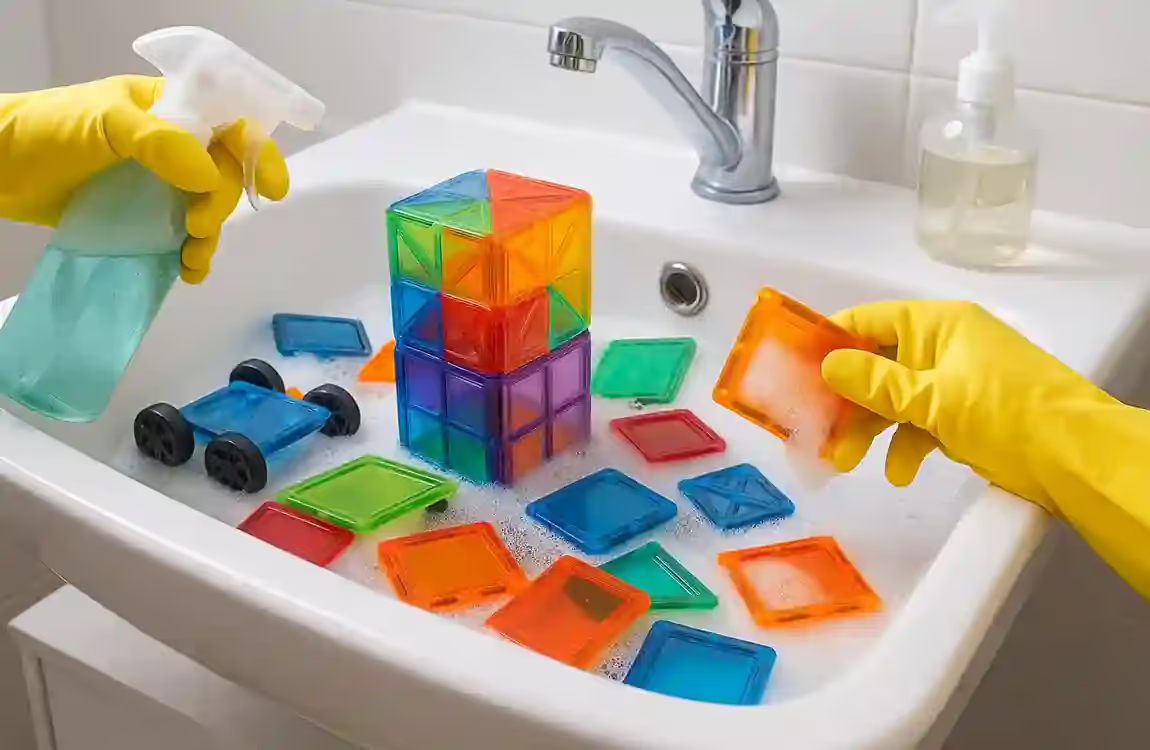
Parents often struggle with the decision of whether to aggressively disinfect expensive magnetic tiles or dispose of them after contamination events. Understanding the economics helps clarify this choice. A 100-piece magnetic tile set typically costs $200-400 for premium brands. Individual replacement tiles run $3-5 each when available. Aggressive disinfection using bleach methods risks damaging 10-20% of tiles through clouding, warping, or chemical etching. This translates to $60-120 in potential damage from a single harsh cleaning cycle.
Compare this to the costs of disease transmission. A single norovirus infection leads to missed work days (average 2-3 days per family member), potential medical visits ($100-200 per visit), medications, and the misery of illness spreading through the household. When multiple family members become infected sequentially, the total cost easily exceeds $500-1000 in lost wages and medical expenses. From this perspective, risking toy damage through aggressive disinfection proves economically rational even before considering the health impacts that resist monetary quantification.
However, the calculation changes for minor contamination events or less dangerous pathogens. A magnetic tile set that received incidental saliva exposure from a child with a common cold doesn't warrant the same aggressive approach as one contaminated with norovirus-laden vomit. Calibrating response intensity to actual risk protects both family health and toy investments. Parents should assess contamination severity, pathogen danger, and household vulnerability when choosing disinfection methods rather than applying maximum-intensity protocols uniformly.
Experienced parents who've navigated multiple illness seasons with magnetic tiles develop strategies that prevent contamination before it occurs. Implementing toy-free zones during active illness proves most effective. When a child shows gastrointestinal symptoms, immediately remove all magnetic tiles from their access. The temporary disappointment of toy removal pales compared to the challenges of disinfecting contaminated sets or managing disease spread to siblings.
Creating illness activity kits separate from regular toys provides sick children with engagement opportunities without risking valuable toy collections. Stock these kits with inexpensive coloring books, simple puzzles, and disposable craft activities that can be discarded after use. Some families maintain a set of budget magnetic tiles specifically designated for illness periods, accepting that these tiles may require disposal rather than disinfection after contamination events. This approach protects premium tile collections while ensuring sick children have access to beloved building activities.
Hand hygiene enforcement becomes crucial during illness season. Requiring children to wash hands before and after magnetic tile play significantly reduces contamination transmission. While young children may resist these interruptions to play, consistent enforcement establishes habits that protect entire families. Place hand sanitizer stations near toy storage areas as visual reminders and accessibility aids. Research demonstrates that proper handwashing techniques prevent the majority of illness transmission, making hygiene education as important as disinfection protocols.
Some contamination scenarios exceed reasonable home cleaning capabilities. Extensive vomit contamination affecting 50+ tiles, sewage backup exposing toys to fecal matter, or confirmed exposure to particularly dangerous pathogens like hepatitis A may warrant professional toy cleaning services. While these services cost $50-150 depending on set size, they provide industrial-grade disinfection with specialized equipment unavailable to home users.
Professional services typically employ multi-stage cleaning processes including enzymatic pre-treatment, commercial-grade disinfection with EPA-registered products, ultrasonic cleaning for detailed contamination removal, and industrial drying systems that prevent moisture infiltration. The expertise and equipment justify the cost for valuable tile collections facing severe contamination. Some professional services also offer testing to confirm successful pathogen elimination, providing peace of mind impossible with home methods.
Alternatively, severe contamination may justify disposal rather than cleaning efforts. When contamination affects a high percentage of tiles, when pathogen danger is severe, or when tiles show pre-existing damage that would admit cleaning solutions to internal spaces, disposal proves more practical than cleaning. The psychological benefit of complete pathogen elimination without uncertainty sometimes outweighs the financial cost of set replacement. Parents should grant themselves permission to prioritize mental health and certainty over economic optimization when facing overwhelming contamination scenarios.
Sustainable toy hygiene requires systems rather than episodic crisis responses. Establish routine cleaning schedules that maintain baseline hygiene without waiting for visible contamination. Weekly wipe-downs with mild disinfectant during illness season and monthly deep cleaning during healthy periods prevent pathogen accumulation. These maintenance protocols prove far less taxing than emergency disinfection of heavily contaminated sets.
Implement visible contamination tracking systems that all household members understand. Color-coded bins clearly designate clean toys, quarantined toys, and contaminated toys awaiting cleaning. Even young children grasp the system after brief instruction, enabling them to participate in household hygiene maintenance. This distributed responsibility reduces parental burden while teaching children important health concepts.
Consider magnetic tiles' lifecycle when planning purchases. Understanding that these toys require periodic disinfection that degrades them over time frames replacement as planned obsolescence rather than unexpected failure. Budget for set replacement every 3-5 years if you have young children prone to illness or every 7-10 years for older children or single-child households. This financial planning prevents the stress of unexpected replacement needs while ensuring access to safe, functional toys throughout childhood.
Magnetic blocks can survive stomach flu season, but success requires immediate action, appropriate chemicals, and acceptance that some damage may occur. The key lies in balancing pathogen elimination against toy preservation – err on the side of safety when dealing with dangerous viruses like norovirus.
Prevention beats remediation every time. Establish "clean hands only" rules for magnetic tiles, store them away from eating areas, and remove them entirely during active illness. Quick action when contamination occurs prevents both disease spread and permanent toy damage. Those precious minutes after vomit exposure determine whether tiles need gentle cleaning or harsh disinfection.
Accept that some tiles won't survive serious contamination events. Budget for replacement pieces before flu season, just as you stock tissues and fever reducers. Your family's health always outweighs toy preservation. When in doubt, use stronger disinfection or discard questionable pieces. Magnetic tiles are replaceable; your family's wellbeing is not.
The investment in quality magnetic tiles represents significant family resources, making their care and preservation important. However, this financial investment must never override safety considerations. Parents sometimes hesitate to use necessary disinfection methods from fear of damaging expensive toys, but this hesitation can result in disease transmission far more costly in medical expenses and lost work time than toy replacement. Maintaining perspective on the relative value of toys versus health helps families make appropriate decisions during illness crises.
Building household systems that support safe toy use during illness season creates sustainable approaches benefiting families year after year. These systems include designated contamination areas, stocked cleaning supplies, clear protocols accessible to all caregivers, and replacement budgets that treat toy loss as expected rather than catastrophic. By normalizing toy disinfection and occasional disposal as routine aspects of family health maintenance, parents reduce stress while improving outcomes during inevitable illness episodes.
NOVEMBER 20, 2025
NOVEMBER 20, 2025
NOVEMBER 20, 2025
NOVEMBER 20, 2025
NOVEMBER 20, 2025